A Document Issued Abroad, and What It Needs
A certificate issued by a foreign registry arrives carrying an authority that stops at the border. Three separate things have to happen before it can be relied on here, and they are frequently attempted in the wrong order.
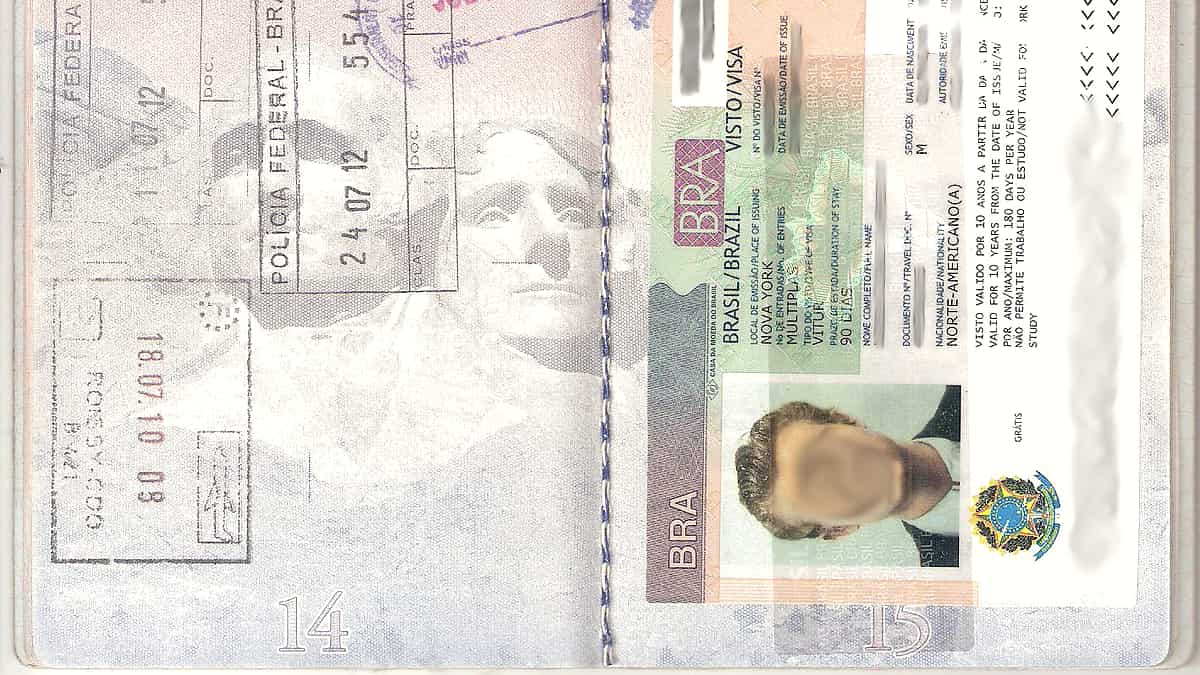
The rule in short
A foreign document requires authentication in a form the receiving system recognizes, a certified translation where it is not in English, and reconciliation of names, dates and registry conventions with the expectations of the body receiving it. Each is a distinct exercise, each takes time, and starting them in the wrong order wastes weeks.
A birth certificate issued in another country is a perfectly good document that no American official has any way of verifying. Everything in this area follows from that single fact, and the three steps required exist to supply, in a form the receiving system recognizes, what recognition of the seal would otherwise have provided.
The three steps, in order
Authentication. Establishing that the document was issued by the body it claims to have come from, through an apostille or through consular legalization depending on the country.
Translation. A rendering into English by somebody who certifies their competence and the accuracy of the work, which is a separate exercise addressing a separate problem.
Reconciliation. Explaining differences in names, dates, and registry practice so that the document can be matched to the person and the events it concerns.
Order matters. Authentication attaches to the original document, so translating first and authenticating the translation solves nothing and has to be redone.
Each takes weeks. Consecutively rather than in parallel, which is why foreign documents should be started on long before anything else in a filing.
Which authentication route applies
The apostille, where available. A single certificate issued by a designated authority in the country of origin, recognized without further steps, described in the apostille and the countries it covers.
Legalization, where it is not. A chain of certifications ending at a consular post, covered in legalization where no apostille applies, which takes considerably longer.
Some documents need neither. Where a receiving body accepts a document on other grounds, or where a bilateral arrangement applies, no authentication is required at all. Asking before starting avoids an unnecessary expense and several weeks.
The document must be authenticable. A photocopy generally cannot be apostilled; the certificate attaches to an original or to a copy certified by the issuing authority.
Check the destination requirement. Some bodies want the apostille, some want legalization even where an apostille is available, and the requirement is published rather than guessable.
| Step | What it establishes | Who performs it |
|---|---|---|
| Apostille or legalization | The document is genuine | An authority in the country of origin |
| Certified translation | The English text is accurate | A competent translator |
| Reconciliation statement | The documents concern this person | Whoever is filing |
| Certified copy from the registry | The contents match the register | The issuing office |
Translation, and what it does not do
It renders, it does not verify. A translator certifies only that the English text corresponds to the foreign text in front of them. Nothing whatever about the underlying document's authenticity is addressed by that certificate.
Certification has required contents. The translator's competence, a statement of accuracy, and identification of the document translated, as certified translation and who may certify it sets out.
The original travels with it. Both documents are filed together, because a translation alone invites the objection that the original says something else.
Names are transliterated, not translated. Which produces variation, and the variation has to be explained rather than smoothed over.
Seals and stamps are described. A competent translation notes the presence and content of every seal, stamp and marginal annotation rather than silently omitting them.
The commonest sequencing error is to translate a document and then seek authentication of the translation. The certificate attaches to the original issued document, and a translation authenticated instead establishes nothing about where the underlying record came from.
Reconciliation, which nobody plans for
Name order and structure. Patronymics, maternal surnames, compound names and honorifics all produce documents that appear to concern different people, covered in names spelled differently abroad.
Calendars and date formats. Non-Gregorian calendars in use for civil registration, and the ambiguity between day-month and month-day ordering, which together account for a large share of apparent discrepancies.
Registry practice. Some systems record less, register later, or hold records at a municipal level with no central index at all. Each of those explains gaps that look, to a reader used to a different system, like omissions.
Administrative changes. Borders move, provinces are renamed and offices merge, so the issuing authority named on a document may no longer exist under that name.
An explanatory statement helps. A short signed statement setting out the naming and dating conventions, and how the documents relate to each other, prevents most queries.
Planning the exercise
Start with the receiving body's rules. They are published, they are specific, and they answer most of the questions that otherwise get resolved by guesswork and a rejected filing.
Order documents early. Foreign registries are slower than domestic ones, and the interval between request and receipt is the part nobody controls.
Order extras. Authenticated documents are frequently surrendered rather than returned, and ordering a second set at the same time costs a fraction of what a second application months later will cost.
Keep a complete record. What was ordered, from whom, when, and what arrived, because a later query about a document is answered from that record.
Anticipate the unavailable record. Where a country will not produce it, the substitute evidence route begins immediately rather than after months of waiting, as when a country cannot produce the record sets out.
The whole subject follows from one limitation: nobody here can recognize a foreign seal, so recognition has to be manufactured through a chain that ends somewhere familiar. Every requirement in this area is a version of that idea.
Sequencing is where time is lost. Authentication attaches to the original, translation follows it, and reconciliation is written once both exist. Performing them in a different order means performing at least one of them twice.
Reconciliation is the step nobody budgets for and the one that generates most queries. Names and dates that are perfectly ordinary in the country of origin look like discrepancies here, and a short explanatory statement filed at the outset prevents a correspondence.
The receiving body's published requirements govern everything and are consulted last more often than first. They specify the authentication route, the translation format and the form of copy acceptable, and reading them is quicker than any of the alternatives.
Immigration filings are where most people meet this exercise for the first time, and where the consequences of getting the sequence wrong are measured in months rather than in inconvenience. Where a case depends on documents from another country, an immigration attorney who reviews foreign documents handle the authentication and translation requirements as a matter of routine.
Finally, foreign documents run on foreign timescales. A registry that takes four months is not being obstructive, and the only effective response is to have asked for the document four months earlier than seemed necessary. A judgment from another country carries its own recognition question on top of the authentication one, addressed in foreign Judgments Offered as Evidence.
Points to carry away
- Authentication, translation and reconciliation are three separate steps.
- Authentication route depends on whether the issuing country is in the apostille system.
- Translation is certified separately and does not authenticate anything.
- Names and dates frequently need explaining rather than correcting.
- The receiving body's own requirements govern, and they are published.
Questions readers ask
Can a document be authenticated after it has been translated?
The authentication attaches to the original document rather than to the translation, so translating first does not prevent authentication but does not advance it either. The certificate issued by the authority in the country of origin certifies the signature and seal on the document that authority is looking at, which must be the original or a copy certified by the issuing registry. A translation carries no seal from the foreign registry and there is nothing for the authenticating authority to certify.
Who decides which authentication route applies?
The country where the document was issued determines whether an apostille is available, because the apostille system operates only between participating countries. The body receiving the document determines whether that is sufficient for its purposes. Occasionally the two do not align, and a receiving body requires consular legalization even for a document from a participating country. That requirement is published in the receiving body's own instructions, which is the reason to read them before beginning.
What happens when the issuing office no longer exists?
It is a common situation and there is an established route. Where a country has reorganized its administration, a successor body usually holds the records and can issue certificates in its own name, with an explanation of the transfer. Where no successor exists, the position moves into secondary evidence: an attestation from the relevant embassy, records held by another institution, or a sworn account explaining the unavailability. What matters is documenting the enquiry rather than simply asserting that nothing can be obtained.
Sources
- Hague Conference on Private International Law — Apostille Sectionhcch.net
- U.S. Department of State — Authenticate Your Documenttravel.state.gov
- U.S. Department of State — Apostille Requirementstravel.state.gov
- Federal Rules of Civil Procedure — Rule 44, Proving an Official Recordlaw.cornell.edu
- Federal Rules of Evidence — Rule 902, Evidence That Is Self-Authenticatinglaw.cornell.edu
- 8 CFR § 103.2 — Applications, Petitions, and Other Documentslaw.cornell.edu
True Justice Record is a publication, not a law firm. This article states general rules and cites its sources; it is not advice about any particular case, and the law differs by state and changes over time.
More in Documents From Another Country
Certified Translation and Who May Certify It
A certified translation carries a signed statement identifying the translator, asserting their competence in both languages, and confirming that the translation is complete and accurate. Most receiving bodies require nothing more, and no accreditation exists in many jurisdictions. What certification never does is say anything about whether the original document is genuine.
Documents From a State That No Longer Exists
When a state disappears, its records are generally inherited by a successor authority, transferred to an archive, or distributed among the states that replaced it. Identifying the current custodian is the whole exercise, and it usually has a documented answer. Where no successor holds them, the position becomes one of substitute evidence supported by a documented enquiry.
The Apostille and the Countries It Covers
An apostille is a standardized certificate issued by a designated authority in the country where a document originated, certifying the signature and seal on it. It is recognized without further steps by every other participating country. Where either country is outside the arrangement, the longer consular legalization route applies instead, and the two cannot be mixed.